

How can you help your child get better at gymnastics without a coach or costly gear? The answer is simple, focused activities you can do together. These 12 at-home gymnastics exercises need only a safe area, a mat, and your watchful eye. Each drill builds strength, flexibility, balance, and coordination—the four key parts of gymnastics success.
Your child will enjoy fun tasks like handstands and cartwheels. Keep sessions short and always watch closely. Use a soft surface for safe practice. This at-home routine makes practice feel like play. These exercises help your child gain confidence with each try. Let's turn your living room into a mini gym!
Key Takeaways
- Practice these 12 exercises at home to build strength, flexibility, balance, and coordination.
- Use a mat and always watch your child during practice to keep them safe.
- Keep workouts short, about 15 to 20 minutes, and focus on practicing regularly, not perfectly.
- Begin with simple moves such as frog jumps and plank holds to create a solid base.
- Slowly move to harder moves, like handstands and cartwheels, as your child gets better.
- Mix exercises from each group to keep practice fun and well-rounded.
- Celebrate small wins to build your child's confidence and drive.
- For advanced skills, think about getting a professional coach to make sure you use the right form and stay safe.
12 At-Home Gymnastics Exercises Table List
Before we get into the step-by-step instructions, here is a quick guide. This table lists all twelve exercises, what they focus on, and a short description. Use it to plan your child's practice time. Each exercise works on a specific part of gymnastics growth. The main areas are strength, flexibility, balance, and coordination. These basic floor moves build the base for harder skills later.
| Exercise | Category | Purpose |
|---|---|---|
| Frog Jumps | Strength | Build leg power and explosive energy |
| Plank Holds | Strength | Develop core stability and shoulder strength |
| Pull Ups | Strength | Strengthen arms, back, and grip |
| Bridge Hold | Flexibility | Open shoulders and improve back flexibility |
| Runner's Lunge | Flexibility | Stretch hip flexors and hamstrings |
| Single-Leg Stand | Balance | Improve ankle stability and focus |
| Tucked Roll | Coordination | Teach body control and spatial awareness |
| Wall Handstands | Balance | Build shoulder strength and body alignment |
| Bear Crawl | Coordination | Enhance limb coordination and core control |
| Cartwheel Drills | Coordination | Develop rhythm and side-to-side movement |
| Handstand Holds | Balance | Strengthen wrists and improve inversion comfort |
| Jumping Jacks | Warm-Up | Raise heart rate and prepare muscles |
These twelve exercises work together to build full gymnastics skills. Strength moves give the power for jumps and holds. Flexibility drills keep muscles long and stop injuries. Balance and coordination moves teach the body to move with control. Each area helps the others. A gymnast needs all four to do well.
Start each session with a short warm-up. Keep it to about five minutes. This short time stops tiredness while getting the body ready. Light movement slowly raises the heart rate. Simple jumping jacks, arm circles, and leg swings work great. The warm-up also helps kids notice their bodies. Body awareness means knowing where each body part is in space. This skill improves every time you practice.
The table above is your guide. You can pick one exercise from each area for a balanced session. Or you can focus on just one area for the whole practice. Young gymnasts often like variety. Mixing exercises keeps practice fun. The drills on this list are safe for home. Always put a mat under your child during practice. Watch every exercise closely. With this table, you can plan easy and effective home practice. The next parts explain each exercise in detail. Follow the steps for good form. Good form matters more than speed or how many reps you do. Tell your child to move slowly and with control. This way builds good habits from the start.
Strength Exercises to Improve Gymnastics Skills
Strength forms the foundation of every gymnastics skill. Without solid muscle power, children cannot hold positions, push through movements, or control their bodies in the air. These three exercises target the legs, core, and upper body. Each one builds the specific strength needed for gymnastics. The CDC recommends that children aged 6-17 get at least 60 minutes of moderate-to-vigorous physical activity each day. Muscle-strengthening activities should happen at least 3 days per week. These exercises fit perfectly into that weekly goal.
Frog Jumps
Frog jumps build explosive leg power. This power helps with tumbling, vaulting, and every jump in gymnastics. The movement mimics a frog leaping across a pond. Children love the playful nature of this drill. They barely notice they are working hard.

Squat Low with Hands on the Floor
Start with feet shoulder-width apart. Lower into a deep squat position. Place both hands flat on the floor between the feet. Keep the heels down and the chest lifted. The back stays straight, not rounded. This starting position loads the leg muscles like a coiled spring. The arms provide balance and support. Hold this position for one full second before moving.
Explode Upward and Forward
Push through the feet with explosive force. Jump upward and slightly forward at the same time. Swing the arms overhead as the body rises. The legs straighten fully in the air. The body extends into a tall, stretched position. This full extension teaches the body to use complete range of motion. Many young gymnasts forget to straighten their legs. Remind them to point toes and reach tall.

Land in a Squat and Repeat
Land softly with bent knees. Return to the same deep squat position. Hands touch the floor again for balance. Absorb the landing quietly, like a cat. Then explode into the next jump. For young children, aim for 3 sets of 6 jumps. Rest for 30 seconds between sets. Focus on quality over quantity. A perfect jump with full extension beats ten sloppy ones. Proper landing technique protects growing joints.
Plank Holds
Plank holds develop core stability. The core includes the abdomen, back, and pelvis. These muscles control everything the body does. Without strong core muscles, children struggle with balancing, coordinated movements, jumping, sitting upright, and fine motor tasks like holding a pencil. The plank activity addresses core strengthening, coordination, and upper body strength all at once.

Place Hands Under Shoulders
Start on the floor on hands and knees. Position the hands directly under the shoulders. Spread the fingers wide for better support. Step the feet back one at a time. The body now forms a straight line from head to heels. The neck stays neutral with the gaze down. This alignment keeps the spine safe during the hold.
Keep Body in a Straight Line
Tighten the abdominal muscles. Squeeze the glutes. Do not let the hips sag or pike upward. Imagine a straight board running from the head to the feet. The body should look like one solid piece. Many children let their hips drop when tired. Watch for this and correct it early. A short hold with perfect form builds more strength than a long hold with poor form.
Hold for 10–20 Seconds
Beginners hold for 10 seconds. More advanced children aim for 20 seconds or longer. The goal is 3 rounds of 30 seconds with proper form. To increase difficulty, lift one leg off the ground while maintaining stability. Hold for a few seconds, then switch legs. Repeat 10–15 reps per side. This added leg lift challenges the core further, promoting strength in the entire midsection.
Planks engage the entire body at once, making them highly efficient for building core strength and stability. Start in a push-up position with hands slightly wider than shoulder-width, neck in line with back, and gaze down to keep the spine neutral. If a full plank is too challenging, modify by resting on knees or performing on forearms. Aim to hold for 20–30 seconds, or as long as proper form is maintained, gradually increasing duration as strength improves.
Pull-Ups on a Gymnastics Bar
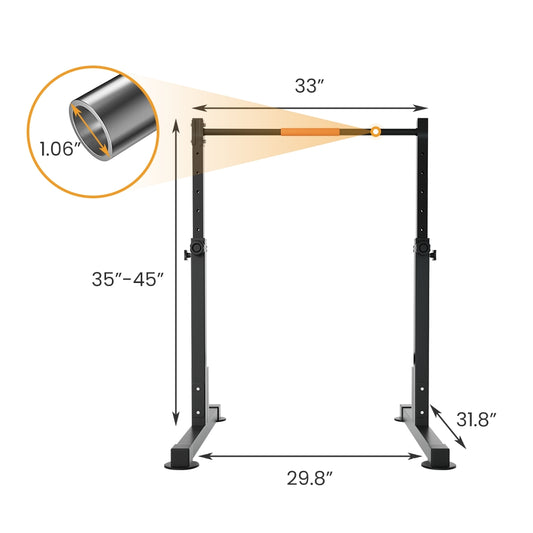
Pull-ups build upper body strength. Gymnasts need strong arms, back, and grip for bar routines, swings, and transitions. A home gymnastics bar makes this exercise accessible. The Safly Fun gymnastics bar provides a safe and sturdy environment for practicing this essential skill. Designed for young athletes, this bar features rounded corners and a sponge pedestal base with non-slip rubber pads. The adjustable height moves easily from 35 inches to 51 inches to fit your child perfectly.

Grip the Bar with Hands Shoulder-Width Apart
Stand under the bar. Reach up and grasp it with both hands. Place the hands shoulder-width apart. Use an overhand grip with palms facing away. The thumbs wrap around the bar for security. Hang with arms fully extended. The body hangs straight down with the core engaged. This hanging position already builds grip strength and shoulder stability.
Pull Chest Toward the Bar
Engage the back muscles. Pull the body upward until the chest reaches the bar. Keep the elbows close to the body. Do not swing or kick for momentum. The movement stays slow and controlled. For children who cannot do a full pull-up yet, use a spotter. The spotter holds the child's waist and provides gentle assistance. Another option is a resistance band looped under the feet for support.

Lower Slowly with Control
Lower the body back down with control. Take 3 full seconds to return to the starting position. This slow lowering phase builds even more strength. The arms straighten fully at the bottom. Then repeat the movement. Start with 3 sets of 3-5 repetitions. Rest for 60 seconds between sets. Proper form matters more than the number of reps. A child who masters controlled pull-ups builds real gymnastics strength.
These three strength exercises work together. Frog jumps power the legs. Planks stabilize the core. Pull-ups strengthen the upper body. Together, they build strength for gymnastics at every level. Practice them consistently, and your child will notice real improvement in their gymnastics skills. These skill-building gymnastics exercises form the base for more advanced drills. Remember to keep sessions short and focused. Quality practice beats long, tired sessions every time.
Flexibility Drills for Gymnastics
Flexibility keeps muscles long and joints mobile. Young gymnasts need flexible shoulders, backs, and legs to perform skills safely. Tight muscles limit movement range. They also increase injury risk during jumps and tumbles. These two stretching drills target the back, hips, and legs. They work best after a warm-up when muscles feel warm and ready. Hold each stretch for 15 to 20 seconds. Never bounce during a stretch. Bouncing can tear muscle fibers. Instead, move slowly and breathe deeply.
Bridge Hold
The bridge hold opens the shoulders and strengthens the back. This position appears in many gymnastics routines. It also prepares children for harder skills like backbends and walkovers. Regular bridge practice improves spinal flexibility. It also builds the shoulder mobility needed for handstands and cartwheels.

Lie on Back, Bend Knees
Start by lying flat on the back. Place the feet flat on the floor. Bend the knees so the heels sit close to the glutes. Position the feet hip-width apart. Place the hands beside the ears with fingers pointing toward the shoulders. The elbows point upward toward the ceiling. This starting position prepares the body for the lift. Check that the lower back stays relaxed on the floor.
Push Hips Up Toward the Ceiling
Press through the feet and hands. Lift the hips upward toward the ceiling. The body forms an arch shape. The shoulders open as the chest lifts. The arms straighten fully. The thighs push forward slightly. Hold this position for 15 to 20 seconds. Young children may need help at first. A parent can support the lower back with one hand. This gentle support builds confidence while the child learns the movement.
Keep Shoulders Pressed into the Floor
The shoulders must stay pressed into the floor. Many children let their shoulders lift off the ground. This mistake reduces the stretch. It also puts pressure on the wrists. Remind your child to push the floor away with the hands. This action opens the chest and shoulders. The head stays neutral with the gaze toward the knees. Lower the hips slowly back to the floor. Rest for 10 seconds, then repeat 3 times.
Regular flexibility work offers long-term benefits for growing bodies. Good flexibility helps the body handle physical stress. This lowers the chance of muscle and ligament strains during sports. Flexible muscles also improve posture over time. They lengthen muscles and enhance joint mobility. This aligns the spine and strengthens the core. Children who stretch regularly develop balanced, aligned posture. Without enough flexibility, other muscle groups overcompensate. This leads to joint issues and hamstring injuries later.
Runner's Lunge
The runner's lunge stretches the hip flexors and hamstrings. These muscles tighten from sitting and running. Gymnasts need open hips for splits, jumps, and landing positions. This stretch also improves balance and body awareness. It prepares the legs for powerful movements.

Step One Foot Forward into a Lunge
Start in a standing position. Step the right foot forward into a lunge. The right knee bends at a 90-degree angle. The left leg extends straight behind. The left toes point forward. Place both hands on the floor beside the right foot. Keep the hips low and square to the front. The back stays long and straight. This position stretches the left hip flexor deeply.
Straighten the Front Leg Gently
Slowly straighten the right leg. Keep the toes lifted toward the ceiling. The heel presses into the floor. This movement shifts the stretch to the hamstring. The back leg remains straight. The hips stay level. Do not force the leg straight. Move only as far as comfortable. A gentle stretch feels like a mild pull. Sharp pain means stop and ease back.
Hold and Breathe Deeply
Hold this position for 15 to 20 seconds. Breathe deeply and slowly through the nose. Each exhale allows the muscles to relax further. Then bend the front knee and return to the lunge. Switch sides and repeat. Complete 3 rounds on each leg. This stretch also helps with growing pains. Gentle stretching eases tension from growth spurts. It helps children sleep better at night.
These two flexibility drills complement the strength exercises. They keep muscles long and joints mobile. Regular stretching maintains elasticity in muscles and connective tissues. This preserves movement patterns essential for running, jumping, and playing. A full range of motion allows muscles to contract and lengthen effectively. This improves overall strength and coordination. Flexible, warm muscles are less likely to strain or tear. Proper range of motion helps joints absorb impact. It also avoids compensatory movement patterns that lead to injuries. Add these drills to your child's routine. They build the flexibility needed for advanced gymnastics skills.
Balance and Coordination for Gymnastics

Balance and coordination form the third pillar of gymnastics development. These skills allow children to control their bodies during movement and stillness. Without balance, jumps land crooked and turns become unstable. Without coordination, the body moves in awkward patterns. These three exercises target both qualities. They teach the body to work as one unit. Practice near a wall or mat for safety. Emphasize control and focus over speed.
Single-Leg Stand
The single-leg stand builds balance and body awareness. This simple exercise prepares children for landing positions and turns. It also strengthens the ankles and lower legs. The movement requires focus and control.

Lift One Foot Off the Floor
Stand tall with feet together. Shift weight onto the left foot. Lift the right foot off the floor. Bend the right knee slightly. The foot hovers beside the standing leg. Keep the standing leg straight but not locked. The hips stay level. Many children wobble at first. This wobbling is normal. The body learns to adjust with each attempt.
Fix Eyes on a Spot Ahead
Choose a fixed point on the wall ahead. Keep the eyes locked on that spot. The visual focus helps the brain maintain balance. The body follows where the eyes look. A wandering gaze causes more wobbling. The arms can extend to the sides for extra stability. This position creates a wider base of support.
Proprioception: The single-leg stance improves proprioception, the body's awareness of its position in space. This heightened sense of proprioception is crucial for precise movements, such as catching a ball, riding a bike, or navigating crowded spaces without bumping into obstacles.
Hold for 10 Seconds, Then Switch
According to Mosaic Health & Rehab, by age 5, 50 percent of children can hold a single-leg balance for 10 seconds on each leg with hands on hips and minimal trunk movement. This means the average single-leg balance time for a 5-year-old is about 10 seconds. Aim for this benchmark. Hold for 10 seconds on the right leg. Then switch to the left leg. Repeat 3 times on each side. Older children can aim for 15 to 20 seconds. This exercise helps improve balance over time. Consistent practice builds confidence and stability.
Tucked Roll
The tucked roll teaches body control and spatial awareness. This basic skill appears in every gymnastics routine. Children learn to move through space with control. The roll also builds confidence for more advanced tumbling.

Squat Down and Tuck Chin to Chest
Start in a squat position. Place the hands on the floor. Tuck the chin firmly to the chest. Look at the belly button. This head position protects the neck during the roll. The back rounds like a ball.
Round the Back Like a Ball
Push off the feet gently. Roll forward onto the rounded back. The body forms a ball shape. The knees stay close to the chest. The momentum carries the body through the roll. Keep the back rounded the entire time. A flat back stops the roll and causes discomfort.
Roll Forward and Stand Up
The roll continues over the shoulders. The feet touch the floor. Push with the hands just before the feet make contact. This push reduces neck pressure. Stand up smoothly at the end. The table below shows the key points for safe rolling.
| Aspect | Key Points for Neck Injury Prevention |
|---|---|
| Basic Technique | Squat stand, head tucked to chest, rounded back, hands above shoulders, push with hands just before feet contact floor. |
| Cueing | Look at belly to keep head tucked; push with arms to reduce neck pressure. |
| Safety and Spotting | Children have larger heads relative to body, need greater push; ensure abdominal and arm strength; use a mat; spot by lifting hips. |
Practicing forward rolls and backward rolls builds full-body coordination. Children who master these rolls gain body awareness. They learn to control their movement through space. This skill transfers to other sports and physical activities.
Wall Handstands
Wall handstands build upper body strength and body alignment. This exercise prepares children for freestanding handstands. The wall provides safety and support. Children can practice without fear of falling.

Walk Feet Up a Wall
Start facing the wall. Place the hands on the floor. Walk the feet up the wall. The body forms an inverted V shape. Move the hands closer to the wall for a more vertical position. The head stays neutral. Look between the hands at the floor.
Keep Hands Shoulder-Width Apart
The hands must stay shoulder-width apart. Spread the fingers wide for stability. The arms stay straight. The shoulders push actively toward the floor. This engagement builds strength in the arms and shoulders. The elbows do not bend.
- The Spiderman against the wall drill forces engagement of shoulders and upper body muscles.
- It builds shoulder strength and endurance needed for holding handstands.
- Wall support makes it safe and controlled for children to practice.
- Handstands use arms and shoulders to support body weight, building strong upper body muscles.
- Practicing against a wall is recommended for beginners, allowing children to safely build strength.
- Regular practice leads to noticeable upper body strength gains.
Hold for 5–10 Seconds
Maintain the inverted position. Hold for 5 to 10 seconds. The body stays straight from hands to feet. The core remains tight. Do not arch the back. Lower the feet slowly back to the floor. Repeat 5 times. This short hold builds strength without fatigue. Children can increase the hold time as they grow stronger.
These balance and coordination drills work together. They build the foundation for advanced gymnastics skills. Regular practice improves control and body awareness. Every session brings small improvements. These small gains add up over time.
At-Home Gymnastics Exercises: Handstands and Cartwheels
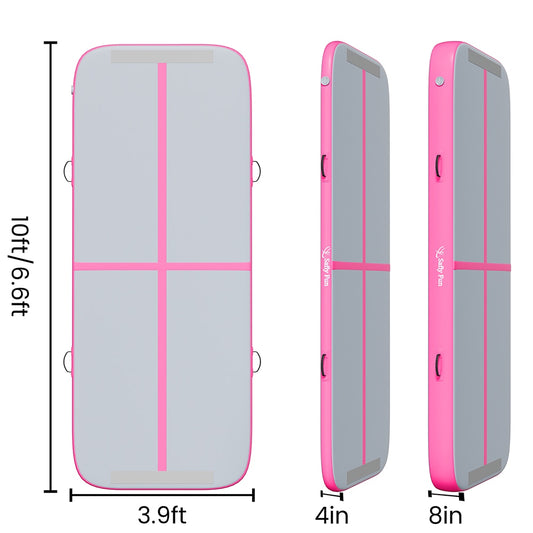
Handstands and cartwheels stand as the most exciting milestones in a young gymnast's journey. These skills look impressive, yet they also build serious strength and body control. Children often feel nervous about going upside down for the first time. The two drills below turn that fear into fun. They break down complex movements into simple steps. Each drill builds confidence through repetition. Use a spotter for balance during these exercises. Place a Safly Fun mat underneath for extra safety and comfort. The soft surface reduces the fear of falling. It also protects growing joints during practice.
Bear Crawl
The bear crawl prepares the body for handstands and cartwheels. This exercise strengthens the shoulders, arms, and core. It also teaches the body to move weight onto the hands. This weight shift feels strange at first. The bear crawl makes it feel natural. Children learn to trust their arms for support. That trust becomes essential for inverted skills.

Walk on Hands and Feet
Start on all fours like a bear. Place the hands flat on the floor. Position them directly under the shoulders. Lift the knees slightly off the ground. The shins stay parallel to the floor. The weight rests on the hands and the balls of the feet. This position engages the whole body. The arms hold the upper body steady. The legs push from behind.
Keep Back Flat and Core Tight
The back must stay flat like a tabletop. Do not let the hips sag or pike upward. Tighten the abdominal muscles to hold the position. The head stays in line with the spine. Look down at the floor between the hands. A flat back protects the spine during movement. It also builds the core strength needed for handstands. The core acts as the bridge between the upper and lower body.
Move Forward and Backward
Begin walking forward with small steps. Move the right hand and left foot together. Then move the left hand and right foot together. Keep the movements slow and controlled. Walk forward for five steps. Then walk backward for five steps. This backward movement challenges coordination in a new way. Repeat the sequence for three rounds. The bear crawl warms up the wrists and shoulders. It also teaches the body to move weight smoothly from one side to the other. This side-to-side control directly supports cartwheel development.
Cartwheel Drills
Cartwheels require coordination, rhythm, and courage. Many children want to learn them right away. They often rush the movement and end up with messy results. The drills below slow everything down. They break the cartwheel into small, manageable pieces. Each piece builds on the last one. This method works especially well for young children. A five-year-old can learn a cartwheel using these progressions. The key is patience and consistent practice.

Start in a Lunge with Arms Up
The cartwheel begins with a strong starting position. Stand tall with the dominant leg forward. Bend the front knee slightly. Keep the back leg straight behind. Raise both arms straight overhead. Position them close to the ears. This lunge position sets the direction of the cartwheel. The arms reach toward the target. The body leans slightly forward. This lean starts the momentum for the movement.
Place Hands on the Ground One at a Time
The hands go down one at a time, not together. Reach the lead hand toward the floor first. Place it about shoulder-width from the front foot. Then place the second hand down. The hands should form a straight line with the starting position. Many children want to put both hands down at once. This habit causes the body to twist sideways. Teach the sequential hand placement from the start. For a young child, use a cartwheel mat with printed hand and foot prints. These visual guides show exactly where each hand and foot belongs. The child follows the prints without guessing.
Kick Legs Over and Land in a Lunge
The legs follow the hands in a smooth arc. Kick the back leg up first. Then the front leg follows. The body passes through a brief handstand position. The legs stay wide apart as they travel over. They should not cross each other in the air. The first foot to kick up should land first on the other side. Land softly in a lunge position. The arms reach back overhead. This landing mirrors the starting position. The child now faces the opposite direction.
A simple progression helps children master this sequence. First, practice stepping off an imaginary line at an angle. The child moves in a V shape. Place one hand on the line, then the other. Let the legs follow to land at an angle. Do not worry about leg height yet. The goal is comfort with being upside down. Second, start directly on the line. Place one hand down, then the next. Jump the legs over to the other side. Focus on keeping the legs from crossing. Third, start and land on the line. Work on straightening the legs as they go over. This final step completes the full cartwheel.
These handstands and cartwheels drills build real gymnastics skills through repetition. The bear crawl develops the strength base. The cartwheel drills teach the movement pattern. Together, they give children the tools to master two classic gymnastics moves. Regular practice brings steady improvement. Each session builds coordination and confidence. The skills learned here transfer to other gymnastics events. They also build general athletic ability. Children who master these drills feel proud of their progress. That pride fuels further practice and growth.
Tips and What Gymnastics Exercises Should Your Kids Choose
Picking the right exercises for your child depends on a few things. Age, gymnastics skill level, and goals all matter. A five-year-old beginner needs different moves than a ten-year-old with two years of training. The key is to match the difficulty to what your child can do now. This helps avoid frustration and builds confidence step by step.

Match Exercises to Age and Experience
Kids aged three to six do best with playful movement. Frog jumps, bear crawls, and tucked rolls feel like games, not work. These moves build basic strength and body awareness for later skills. Kids in this age range should skip intense strength training. Their bones and joints are still growing. Instead, focus on fun movement patterns that help them enjoy being active.
Kids aged seven to ten can handle more structured exercises. Plank holds, wall handstands, and cartwheel drills work well at this stage. These moves build real gymnastics strength while staying safe at home. The child can hold positions longer and follow multi-step directions. This age group also benefits from clear goals and gentle feedback.
Older kids aged eleven and up can try harder variations. They can hold planks longer and practice freestanding handstands with a spotter. Pull-ups on a gymnastics bar become more doable. These kids can also combine exercises into sequences. This approach mimics real gymnastics routines and keeps practice interesting.
Build a Balanced Weekly Routine
A balanced routine includes exercises from each category. Strength work happens two to three days per week. Flexibility drills follow every strength session. Balance and coordination activities can happen daily. This structure ensures full development without overworking any single area.
A sample week might look like this. Monday focuses on strength with frog jumps, plank holds, and pull-ups. Tuesday emphasizes flexibility with bridge holds and runner's lunges. Wednesday combines balance and coordination with single-leg stands and tucked rolls. Thursday repeats the strength focus with slightly harder variations. Friday brings everything together with cartwheel drills and wall handstands. Weekends offer rest or light play.
Each session should last fifteen to twenty minutes. This length keeps kids engaged without causing fatigue. Short, steady sessions produce better results than long, irregular ones. The body learns movement patterns through repetition over time.
Adjust Difficulty as Skills Improve
Watch for signs that your child is ready for harder challenges. A child who holds a plank for twenty seconds with perfect form can try lifting one leg. A child who completes five pull-ups can attempt slow lowering from the bar. These small progressions keep the body adapting and improving.
The cartwheel drills follow a clear progression. Start with the V-shape stepping pattern. Move to jumping the legs over from a line. Finally, work on straightening the legs during the pass. Each stage builds on the previous one. Moving too quickly causes frustration and poor form.
Keep Practice Fun and Varied
Kids lose interest when practice feels repetitive. Change the order of exercises each session. Turn the drills into a game or challenge. Set up a simple obstacle course in the living room using pillows and mats. The child moves from frog jumps to a bear crawl to a tucked roll. This variety keeps the brain engaged while building the same skills.
Consistency matters more than intensity. A fifteen-minute session four times per week builds real skill. One long session per week does not. Short, regular practice creates lasting improvement.
The best gymnastics exercises for your child are the ones they enjoy and can perform safely. Start with the basics and progress gradually. Celebrate small victories along the way. Every successful hold, roll, and jump builds confidence. That confidence fuels the desire to keep practicing and improving.
Regular practice of these twelve at-home gymnastics exercises builds the foundational skills every young gymnast needs. Keep sessions short at fifteen to twenty minutes. Focus on consistency rather than perfection. Safety remains the top priority. Always supervise your child and use a mat or soft surface.
These gymnastics exercises for kids develop strength, flexibility, and coordination. They also improve balance through targeted drills. For advanced skills like kips or back handsprings, consider professional classes. If you want a home gymnastics bar, the Safly Fun adjustable option grows with your child safely.
Every cartwheel, every hold, every jump is a step toward confidence. Keep it fun, keep it safe, and watch your little gymnast shine.
Frequently Asked Questions
How much space do we need for at-home gymnastics?
A clear area of about 6 by 8 feet works well. Remove furniture and hard objects from the space. Place a gymnastics mat or thick carpet on the floor. This space allows safe movement for rolls, jumps, and handstands. Check the area for sharp corners before each session.
What should my child wear for home practice?
Choose fitted clothing that does not catch on equipment. A leotard or t-shirt with shorts works well. Remove socks for better grip on the mat. Tie back long hair and remove jewelry. Bare feet help children feel the floor and maintain balance during exercises.
How often should we practice these exercises?
Short sessions of 15 to 20 minutes work best. Aim for three to four sessions each week. Consistent practice builds skills faster than long, irregular sessions. Young children stay focused during brief activities. Regular short sessions also prevent fatigue and keep the experience enjoyable.
When can my child try backward rolls?
Backward rolls require more coordination than forward rolls. Children typically master forward rolls first. Once your child rolls forward with control, introduce backward rolls. Start with a gentle rock back and forth motion. Always spot your child during this skill. Use a mat for safety.
Do we need a gymnastics bar at home?
A bar helps with pull-ups and hanging exercises. The Safly Fun gymnastics bar offers adjustable height from 35 to 51 inches. This range fits children as they grow. The bar features rounded corners and non-slip pads for safety. A bar adds variety to home practice sessions.
How do I know when my child needs professional coaching?
Consider professional classes for advanced skills like kips or back handsprings. These moves require expert spotting and equipment. Home practice builds foundational strength and flexibility. Professional coaches provide proper technique guidance. They also ensure safety during high-risk skills. Combine home practice with professional instruction for the best results.