

You watch your children at a youth gymnastics meet. You feel proud, but the scoring and levels can be confusing. The 1-10 system is a clear path for competitive levels. It helps athletes grow safely and step by step. There are two main paths: the traditional Development Program (DP) and the flexible Xcel Program. This journey focuses on personal growth, confidence, and building skills for kids. It is not only about reaching Level 10. This parent-friendly guide explains the gymnastics levels. It will show you each level, what to expect, and how to support your kids along the way.
Key Takeaways
- Gymnastics has two main paths: the Development Program (DP) and the Xcel Program.
- The DP has 10 levels, while Xcel uses divisions like Bronze, Silver, and Gold.
- Levels 1-3 build basic skills and body awareness.
- Levels 4-5 are compulsory, meaning all gymnasts perform the same routines.
- Levels 6-10 are optional, allowing gymnasts to create their own routines.
- Most gymnasts take 5-8 years to progress from Level 1 to Level 10.
- Skipping levels is rare, but Level 6 can be skipped with exceptional skill.
- Parents should support their child by praising effort, not just scores.
Understanding Gymnastics Levels: DP vs. Xcel
Before your child steps onto the competition floor, you need to understand the two main pathways in youth gymnastics. The USA Gymnastics Development Program offers the traditional route. The Xcel Program provides a flexible alternative. Each path serves different goals and different families. This section of the guide will clarify both options.

The Two Main Tracks: Development Program and Xcel
The usa gymnastics development program organizes gymnastics into 10 levels. These levels split into three segments. Levels 1-3 form the developmental foundation. Levels 4-5 are compulsory, meaning every gymnast performs the same routines. Levels 6-10 are optional, allowing gymnasts to choose their own skills and build routines around individual strengths.
The Xcel Program works differently. It uses divisions named Bronze, Silver, Gold, Platinum, Diamond, and Sapphire. A coach can place a beginner at Bronze, Silver, or Gold based on skill level. This flexibility suits kids who want competitive gymnastics without the rigid structure of the DP.
The Xcel philosophy rests on four pillars: sportsmanship, leadership, teamwork, and fun. This program welcomes athletes of varying abilities and commitment levels. Many families choose Xcel because it requires fewer training hours and less travel. The routines are fully personalized, so each gymnast performs skills she enjoys.
The two programs remain separate. A gymnast cannot use Xcel participation to satisfy mobility requirements in the Development Program. If she crosses over, she starts fresh in the new system. This distinction matters for families planning long-term gymnastics journeys.
How Gymnastics Progression Works: Testing and Scores
Progression through gymnastics levels depends on competition scores. In the Development Program, a gymnast must achieve a minimum all-around score at a sanctioned meet. She must also meet age requirements for each level.
The DP follows a strict sequence. A gymnast cannot skip levels, with one exception. Level 6 can be skipped if a gymnast demonstrates exceptional skill. Most athletes progress one level at a time. This structure ensures safety and proper skill development.
Xcel progression works differently. No single mobility-score system exists. Instead, Platinum, Diamond, and Sapphire divisions have age and score prerequisites. Coaches use their judgment to move gymnasts between divisions. This approach allows athletes to advance at their own pace.
Understanding gymnastics levels helps you track your child's progress. The table below compares the two programs:
| Feature | Development Program | Xcel Program |
| Entry point | Fixed Level 1 | Coach discretion (Bronze, Silver, Gold) |
| Routine type | Compulsory (Levels 4-5), Optional (Levels 6-10) | Fully personalized |
| Progression | Sequential, score-driven | Flexible, coach-driven |
| Competitive goals | College, Elite, Nationals | Recreation, Local, Regional |
The Role of Age and Physical Readiness
Age matters in gymnastics, but not the way most parents expect. Gymnasts of widely different ages can be at the same level, as skill mastery and physical readiness carry more weight than birth date. This principle applies across all levels.
The DP sets minimum ages for each level. A gymnast must turn 6 in the calendar year of competition to start. Levels 7-8 require age 12. Level 9 requires age 14. Level 10 requires age 16. These rules protect young athletes from attempting skills before their bodies are ready.
Most athletes complete the compulsory levels by age 12. After that, they transition to another pathway. Late starters, those beginning after age 12, usually enter a different track. They might compete in compulsory levels for one or two years for exposure.
The Xcel Program suits late starters well. It offers a rewarding competitive experience without the demanding schedule. Kids who play multiple sports often thrive in Xcel. They can practice gymnastics fewer days per week, allowing a better balance with other activities.
Physical readiness matters more than age. A 7-year-old with strong coordination might master Level 4 skills quickly. A 10-year-old might need more time. Coaches evaluate each child individually. They consider strength, flexibility, balance, and body awareness.
This guide helps you understand the different gymnastics levels. Remember that every child develops at her own pace. The journey matters more than the destination. Whether your child chooses the DP or Xcel, she will learn discipline, resilience, and confidence.
The u.s. gymnastics levels system exists to develop athletes safely. It provides a clear roadmap for coaches, parents, and gymnasts. Understanding this structure helps you support your child effectively. You can celebrate her achievements at every stage, knowing she builds skills that will serve her for life.
Gymnastics Levels 1-3: The Developmental Foundation
The Core Focus: Building Blocks and Body Awareness
The first three gymnastics levels are the base of the whole sport. These stages focus on basic movement patterns, simple strength, and getting to know all four apparatus. Coaches call this phase the developmental foundation because it shapes how a child moves, balances, and thinks about her body in space.
Level 1 sets up basic body positions. Young athletes learn good posture, simple jumps, and basic shapes like tucks and pikes. Level 2 adds more dynamic movements on top of this base. Gymnasts start linking skills together and mastering harder positions. Level 3 is a big change. It brings in the first "uphill" skills and more complex combinations, acting as a bridge between casual play and real competition.
This stage is not about being perfect. It is about gaining confidence and body awareness. A child who learns these early skills builds the coordination needed for harder moves later. The table below shows the main goals for each level:
| Level | Core Developmental Goal |
| Overall Development Program (Levels 1-3) | Build basic movement patterns, simple strength, and introduce all four apparatus. |
| Level 1 | Set up basic body positions and introduce easy skills on each apparatus, focusing on good posture, simple jumps, and basic shapes. |
| Level 2 | Build on Level 1 by adding more dynamic movements, linking skills, and learning harder positions. |
| Level 3 | Introduce the first 'uphill' skills and more complex combinations, acting as a bridge between casual and competitive gymnastics. |
Key Skills for Levels 1, 2, and 3
Each level brings in specific gymnastics skills. These skills build on each other in a clear order. A gymnast cannot try a back walkover without first learning a cartwheel. The table below lists the required skills for each level:
| Level | Required Skills |
| 1 | Forward rolls, straight leg kicks, basic jumps |
| 2 | Backward rolls, handstands, cartwheels |
| 3 | Round-offs, back walkovers |
These skills teach important movement patterns. Forward rolls help with spatial awareness and tucking technique. Handstands build shoulder strength and body control. Cartwheels teach weight transfer and coordination. By Level 3, a gymnast puts these pieces together into smooth sequences. The skill building at this stage creates a strong base for the compulsory routines that come next.
The Competitive Reality: Practice vs. Performance
Parents often ask when real competition starts. The answer depends on the level. Level 1 has no competition at all. The routines are meant to be fun and stress-free, letting kids learn without pressure. Level 2 is where gymnasts start competing, though the level of competition may vary by gym. Level 3 remains non-competitive for most athletes; formal competition begins at Level 4.
| Level | Competitive? |
| 1 | No |
| 2 | Yes |
| 3 | No |
| 4 | Yes (formal) |
Practice time during these early levels is typically manageable, allowing young gymnasts to build skills without losing school, family time, or other activities. The focus stays on learning, not winning. Coaches stress effort, listening, and trying new things. This approach keeps gymnastics fun and builds a good attitude toward the sport. Parents should cheer for progress, not scores, during this early phase.
Gymnastics Levels 4-5: The Compulsory Stage
What 'Compulsory' Means for Your Child
In USA Gymnastics, 'compulsory' means every gymnast performs the same routine. The routines are set in advance. They are built around specific skill needs. Coaches and judges score athletes on precision and execution. This system introduces gymnasts to basic optional skills. Finishing the compulsory program is the required first step on the Elite path. A gymnast must get the needed score to move up to optional-level meets.
Level 4 is the first required competitive level. Most gymnasts compete at Level 4. They must show they have mastered standard routines. The focus changes from learning to performing with accuracy. Judges look for clean lines, good form, and confident execution. This stage teaches kids the discipline of performing under pressure. It builds a strong base for future success.
Parents often ask why every gymnast does the same routine. The answer is fairness and consistency. Compulsory routines create an equal playing field. Every athlete faces the same challenges. Scores reflect execution quality, not routine difficulty. This approach helps young gymnasts focus on proper technique. They learn to control their bodies with precision. These habits carry forward into advanced work.
Mastering the Essential Skills for Level 4
Each apparatus demands specific level 4 skills. Gymnasts must master these skills before moving forward. The table below shows the required skills for each event:
| Apparatus | Required Skills |
| Vault | Front handspring based compulsory entry, aggressive run, blocking mechanics, body tension, landing control |
| Uneven Bars | Casts, circling elements, swing connections, transition to high bar, defined dismount sequence |
| Balance Beam | Mount, acrobatic elements, dance skills, jumps/leaps, turn, controlled dismount |
| Floor Exercise | Compulsory tumbling lines, leaps, jumps, turns, dance sections, musical timing, presentation |
Gymnasts work on mastering specific skills within each apparatus, such as tumbling passes on floor, casting and circling on bars, and balance elements on beam. These level 4 skills build on earlier levels. They prepare gymnasts for harder movements in the future. Coaches focus on proper technique. They fix small errors before they become bad habits. This attention to detail supports long-term skill growth.
The vault requires a front handspring entry. Gymnasts must run aggressively. They need strong blocking mechanics. Body tension and landing control are essential. On bars, gymnasts perform casts and circling elements. They learn swing connections and transitions to the high bar. The beam routine includes a mount, acrobatic elements, and dance skills. Jumps, leaps, and turns add variety. The floor routine features compulsory tumbling lines. Gymnasts must show musical timing and presentation.
The Bridge to Optional: The Importance of Level 5
Level 5 adds harder skills, preparing gymnasts for the optional stage. These skills require more strength and coordination. Level 5 is the last compulsory level before optional routines. After Level 5, gymnasts create their own routines. They pick skills that match their strengths.
The move from Level 4 to Level 5 is big. Gymnasts must show consistent execution. They need to prove they are ready for the optional stage. The skills learned at this level form the base for all future work. The compulsory stage teaches discipline and precision. These qualities help gymnasts as they advance.
Knowing gymnastics skills by level helps parents track progress. Parents can see how each level builds on the last. This knowledge supports better talks with coaches. It helps families celebrate milestones together. Level 5 marks the end of the compulsory road. After this level, gymnasts enter the optional stage. They gain freedom to show their unique strengths. The compulsory stage prepares them for this exciting change.
Gymnastics Levels 6-10: The Optional Stage

Moving from compulsory to optional gymnastics is an exciting change. Your child stops doing the same routines as everyone else. She starts creating her own performances. This part of the gymnastics levels progression needs creativity, courage, and steady effort. The trip from Level 6 to Level 10 tests every skill she has learned since her first forward roll.
The Shift to Custom Routines and Difficulty
Level 6 is where the optional part begins. Gymnasts start making their own routines. They must follow certain difficulty rules. This freedom still has structure. Coaches pick skills that meet minimum difficulty values. The skills must also stay within the rules. The focus moves to linking skills smoothly, performing with better rhythm, and gaining confidence in longer routines.
The path through these gymnastics levels follows a clear pattern. Level 7 needs more complex routines. Gymnasts connect bigger skills. They show more rhythm and confidence. They handle routines with better control under pressure. Level 8 marks a high competitive standard. Athletes must show greater difficulty, stronger consistency, and better execution under pressure. They perform more complex tumbling, stronger twisting combinations, and cleaner skill connections.
Level 9 raises both routine complexity and performance expectations. Gymnasts upgrade their tumbling and twisting combinations. They refine technique and improve consistency across longer and harder routines. Each level adds new challenges while removing previous restrictions.
The table below shows the focus at each optional level:
| Level | Primary Focus |
| 6 | Building routines around individual strengths |
| 7 | Building routines around individual strengths |
| 8 | Building routines around individual strengths |
| 9 | Building routines around individual strengths |
| 10 | No restrictions on skill difficulty; full creative freedom |
As gymnasts progress through the optional levels, the difficulty and complexity of routines increase. Coaches and gymnasts must adhere to the rules set by USA Gymnastics for each level.
Navigating the Levels: From 6 to 7 and Beyond
The unevegymnasticsn bars, balance beam, and floor exercise present unique challenges at higher levels. Gymnasts must meet specific compositional requirements and skill difficulty standards. These rules push gymnasts to create balanced routines while maintaining artistic expression.
The Road to Level 10: The Pinnacle of the Sport
Level 10 represents the top of the Development Program ladder. This level has no restrictions on skill difficulty. Gymnasts enjoy full creative freedom for routine construction.
Reaching Level 10 requires mastery of high difficulty skills. Gymnasts must perform with consistency under pressure. They must show strong execution across all four events. The vault, bars, beam, and floor each demand precision and power.
This stage of the gymnastics levels progression represents the culmination of years of work. The skills learned in compulsory levels form the foundation. The optional levels build on that base with increasing complexity. Your child develops resilience, time management, and self-discipline throughout this journey.
Competitive gymnastics at this level opens doors. College scholarships become possible. Elite competition becomes a realistic goal. But the true reward lies in personal growth. Your child learns to handle pressure, overcome setbacks, and push beyond perceived limits.
Parents play a crucial role during this stage. Support means celebrating effort, not just scores. It means providing healthy meals, ensuring adequate rest, and maintaining open communication. The journey through these gymnastics levels teaches kids lessons that extend far beyond the gym.
The progression from Level 6 to Level 10 takes several years of dedicated training. Some athletes move faster. Others need more time. Each gymnast follows her own path. The competitive journey matters more than the destination. Whether your child reaches Level 10 or stops at Level 7, she gains valuable life skills.
The optional stage transforms young athletes into confident performers. They learn to express themselves through movement. They discover their unique strengths. They build friendships that last a lifetime. This stage of the gymnastics levels progression offers rewards that extend far beyond medals and trophies.
The Xcel Program: A Flexible Alternative
The Development Program offers a clear path. The Xcel Program gives families another choice. This track works well for those who want to compete without a packed schedule. Gymnasts practice less. They get more freedom. The program accepts kids of many skill levels. It keeps the fun of gymnastics at the center.

Understanding the Xcel Philosophy and Structure
The Xcel Program is built on four ideas: sportsmanship, leadership, teamwork, and fun. This way of thinking guides every practice and meet. Coaches build routines around each gymnast's skills. Athletes perform moves they like. This method helps confidence grow on its own.
Practice time in Xcel is lower than in the Development Program. Families find it easier to handle school, travel, and money. Gymnasts might train fewer days a week compared to the Development Program, which often requires more days. This gap matters for kidsmust who play other sports. It also helps families with full schedules.
Competition difficulty stays close at similar levels. The scoring deductions match the Development Program. But Xcel routines allow changes. Gymnasts pick skills that show off their strengths. This freedom often leads to better scores. Xcel routines allow for more flexibility in skill selection, while the Development Program has stricter routine requirements.
Xcel Levels: Bronze, Silver, Gold, Platinum, Diamond, and Sapphire
The Xcel Program has six main divisions. Each division builds on the one before it. The table below shows how these divisions compare to the regular gymnastics levels:
| Xcel Level | Comparable JO Levels |
| Bronze | Levels 1-2 |
| Silver | See USAG guidelines |
| Gold | See USAG guidelines |
| Platinum | See USAG guidelines |
| Diamond | See USAG guidelines |
| Sapphire | Levels 8-10 |
Bronze is where everyone starts. Gymnasts learn basic skills on each event, with routines tailored to their abilities. Each division adds more difficulty. The highest division, Sapphire, is a challenging level that matches high Development Program levels. Coaches decide when to advance them.
Choosing Between DP and Xcel for Your Child
Parents have a big choice to make. The decision depends on several things. Think about your child's learning style first. Some kids do well with detail and practice. Others need room to be creative. The Development Program fits the first group. Xcel suits the second group better.
Your child's motivation matters too. Ask her what she likes about gymnastics. Does she love getting one skill perfect? Or does she like trying many skills? Her answer points to the right path. Emotional readiness also plays a part. Some kids handle repetitive practice well. Others lose interest fast.
Family goals shape the choice. The Development Program leads toward college scholarships and elite meets. Xcel offers a balanced life with competition experience. Both paths teach discipline and strength. Both build character and confidence.
The gym culture matters. Visit local gyms. Watch a practice. Talk with coaches about their approach. Ask how they handle tough times. Ask how they support athletes emotionally. The right setting helps your child grow.
Research shows that caring relationships keep kids in sports. Feeling skilled and in control matters a lot. Your child needs a say in decisions. She needs challenges that match her abilities. Too much stress without rest hurts growth. Pick a program that respects these needs.
The table below sums up the main differences:
| Aspect | Xcel Program | Development Program |
| Practice Time | Lower time commitments; flexible for families | Rigorous progression through specific levels |
| Competition Difficulty | Routine customization to strengths; flexible scoring | Strict routine requirements; consistent scoring |
Trust your gut. You know your child best. The right choice keeps her love for gymnastics alive. It keeps her healthy and happy. It builds skills that last a lifetime.
The Progression Timeline: How Long Does It Take?
A Realistic Look at the Gymnastics Levels Timeline
The trip from Level 1 to Level 10 in the gymnastics levels system takes time. Most athletes need several years to finish the whole journey. This timeline splits into three main parts. The first part covers Levels 1 through 3. This starting base takes time. The second part includes Levels 4 and 5. These required levels also take time. The third part spans Levels 6 through 10. This advanced stage needs years of hard work.
Several things change how fast kids move through gymnastics levels. A child's natural talent plays a part. How often she trains matters a lot. A gymnast who practices more each week moves faster than one who trains less. Physical readiness also changes the timeline. Kids gain strength and coordination at different speeds. Coaches look at each child's unique needs when planning her path. The training plan must fit the child's body and emotions.
The journey is not a race. Each child moves at her own speed. The goal is learning skills well, not rushing. A gymnast who takes more time to learn basics often builds a stronger base. This solid base supports harder skills later. Parents should cheer for steady progress instead of comparing their child to others. The trip through each level teaches patience and sticking with it.
The Possibility of Skipping Levels
Most gymnasts do not skip levels. The system is built to go in order. Each level builds on the skills from the one before. This setup keeps kids safe and helps them grow properly. Skipping a level means missing key skills. Those missing skills can cause trouble later. Coaches like to see steady progress through every step.
But skipping can happen in rare cases. A gymnast who shows amazing skill may skip a level. Level 6 is the only level that can be skipped in the Development Program. The rules allow this one exception. A coach can ask for a gymnast to move from Level 5 straight to Level 7. This choice needs careful thought. The gymnast must show she has mastered all needed skills. She must also show her body is ready for harder work.
How kids move up levels depends on several things. Scores at meets matter. A gymnast must get a minimum all-around score to move up. Coaches also check consistency and mental readiness. The choice to skip a level is never made lightly. Safety always comes first. Most families find that steady progress leads to better results over time. The community values careful preparation over fast moves.
What Happens After Level 10? The Elite Path
Level 10 is the top level in the Development Program. But it is not the end of the road. The Elite path exists for gymnasts who want to compete at the highest levels. This path is separate from the 1-10 system. It involves qualifying for national teams and international competitions.
The Elite path needs amazing dedication. Gymnasts must qualify through specific meets. They must meet strict skill and score rules. The trip to Elite status demands many hours of training each week. Athletes on this path balance school, training, and competition schedules. They travel to national and international meets. They compete against the best gymnasts in the country.
Very few athletes reach the Elite level. This shows the extreme commitment needed. The competitive gymnastics world at this level is tough. But for those who love the sport deeply, the Elite path offers amazing chances. College scholarships, national recognition, and Olympic dreams become real goals. The journey at this level turns athletes into top performers.
Most athletes end their gymnastics journey at Level 10. Many gymnasts enjoy successful college careers at this level. Others choose to coach or follow other interests. The skills learned along the way last a lifetime. Whether a gymnast reaches Level 10 or stops at Level 7, the journey builds character and confidence. The discipline and strength gained through the sport help in every part of life.
The Parent & Kid's Guide to the Gymnastics Journey
Your job as a parent affects how your child feels about this sport. How you deal with practices, meets, and problems can turn it into a fun hobby or a stressful task. This parent guide gives useful tips for going through competitive gymnastics with your child.

How to Support Your Gymnast at Home
Support begins with how you act. Praise effort more than scores. Say things like "What did you learn today?" instead of "Did you win?" This helps your child think about growing. She learns that getting better is more important than being perfect.
Help with daily needs too. Get to practice early so your child feels calm. Pack healthy snacks and water. Cut down on screen time before training. Trust the coaching plan even if you don't understand every drill. Staying calm helps your child stay focused.
Teach your child mental strength. Show her how to talk positively to herself. Treat setbacks as normal parts of learning. When a skill fails, tell her to try again. Let her know that mistakes are steps forward, not walls.
Good habits at home help in the gym. Regular sleep gives growing bodies time to heal. Healthy meals give energy for hard work. Drinking water keeps muscles working well. Balance gymnastics with other activities so your child has a full life.
Cut back on chores and extra activities during competition season. This lowers stress. Support her feelings by celebrating wins and letting her be sad. Keep bags ready, drive her to practices, and help with homework. Respect the coach's choices. Don't undo instructions or step in with training. Stay a parent, not a coach.
Choosing the Right Gym and Coaching Staff
Finding a good gym takes some work. Start by looking at the building. Check for soft floors and clean gear. Make sure the beams, vaults, and bars show no wear. Ask how many kids each coach works with. Smaller groups give younger gymnasts more help.
Check the coach's training. Look for USA Gymnastics safety certification. Coaches should have CPR and first aid training. Ask about plans for emergencies. Make sure staff know how to handle injuries. Look for safety signs around the gym.
Watch a practice before you sign up. See how coaches talk to athletes. Good coaches give praise and break skills into small steps. They spot kids during risky moves. Look for energy and support. Notice if teachers watch every child all the time.
Think about the gym's focus. Some gyms aim for winning. Others focus on having fun. Pick a gym that matches your child's goals. Ask how they teach skills. Ask how they handle hard times. The right place helps your child do well.
Managing Expectations and Avoiding Burnout
Burnout happens when training feels too much. Watch for signs. Less excitement for practice is a warning. Always being tired or getting hurt often also warns you. Talking openly helps you spot problems early.
Let your child take breaks when needed. A simple brunch instead of one gym session can refresh her. Give extra time to rest each day. Encourage fun in different activities. Let her try other hobbies. A different sport can help her, as long as it doesn't fill her schedule.
Make rest and recovery a priority. Make sure she has at least one full day off each week. Aim for 8 to 10 hours of sleep each night. Plan lighter training weeks every few months. These breaks let young bodies heal and get stronger.
Help your child make choices. Ask questions like "What skill makes you excited today?" Let her help pick drills or exercises. Keep training fun and varied. Play games or do team challenges. Cross-training like dance or swimming adds variety without copying gymnastics.
Talk each week about stress and feelings. Make it normal to talk about pressure. Your child needs to know that feeling nervous is okay. She needs to be able to share frustration. Your listening gives comfort. Your support builds confidence.
The gymnastics levels system rewards patience. Kids who enjoy the journey often get further than those who rush. Your support helps your child find joy in each small win. That joy keeps her going through hard times. That joy builds strength for life beyond the gym.
Building a Home Practice Space with Saflyfun

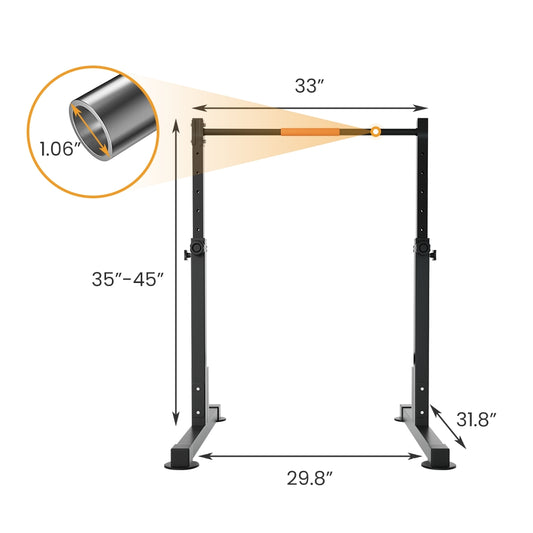
Creating a home practice area for your young gymnast can transform her training. A foldable gymnastics bar for kids can be a great addition to a home practice space. It offers a stable, safe, and easy-to-assemble design. The foldable feature saves space. You can store it conveniently when not in use. This bar helps kids practice flips and develop coordination at home.
Essential Equipment for Safe Home Practice
You do not need to buy everything at once. Start with a good mat. It is the most versatile piece you can own. Add equipment based on what your child works on in class. This approach keeps costs manageable and avoids clutter.

Safety Warning: Gymnastics equipment is one area where quality genuinely matters for safety. Choose trusted brands to protect your child.
Several pieces of equipment serve specific safety functions. A tumbling mat provides a cushioned surface for floor work. It protects knees and floors during practice. A cheese wedge incline mat supports backward skills like back walkovers. It reduces fear and provides a supported surface. A foam balance beam sits on the floor. It eliminates height-related fall risks while practicing balance. An octagon mat supports rotational skills such as back handsprings. Its cushioned, multi-sided shape offers a safe landing zone. A crash pad absorbs impact from bigger landings. It allows kids to practice new skills with confidence. EVA foam floor tiles create a stable, cushioned base. They prevent slips on slippery or uneven surfaces.
| Equipment | Safety Function |
| Tumbling Mat | Provides a cushioned surface for floor work, protecting knees and floors. |
| Cheese Wedge Incline Mat | Supports backward skills by reducing fear and providing a supported surface. |
| Foam Balance Beam | Sits on the floor, eliminating height-related fall risks while practicing balance. |
| Octagon Mat | Supports rotational skills with a cushioned, multi-sided shape. |
| Crash Pad / Landing Mat | Absorbs impact from bigger landings, allowing kids to practice with confidence. |
| EVA Foam Floor Tiles | Creates a stable, cushioned base, preventing slips on uneven surfaces. |
Always place supportive mats around the beam area. Pay special attention to the ends where a child may step off. Ensure the beam length fits your practice zone with clearance on both sides. For bars, the equipment must be stable and properly sized. A wide base and proper landing mat underneath are essential. Use soft, low-profile tools for vault and jump practice. Firm mats and low soft blocks work better than springboards. They reduce bounce and support repetition without introducing unnecessary force.
The Benefits of a Foldable Gymnastics Bar
A foldable gymnastics bar stands out as a favorite among families. It offers a stable, safe, and easy-to-assemble design. The foldable feature saves space. You can store it conveniently when not in use. This bar helps kids practice flips and develop coordination at home.

| Category | Description |
| Safety Features | Strong steel frame for stability; non-slip rubber base reduces sliding; thick landing mat for cushioning; adjustable height to fit child's size; foldable design for space efficiency and safe storage. |
| Benefits | Physical development (strength, coordination, flexibility); character building (confidence, patience through skill progression); habit forming (consistent practice and good posture); convenience for home use (easy assembly, compact storage, complete bundle). |
The bar features a heavy-duty powder-coated steel frame. A stable base uses a triangle structure with slip-resistant industrial rubber end caps. The quick folding mechanism makes setup simple. Multiple height options to fit your child as she grows. This adjustability fits your child as she grows. The safe bar construction ensures reliable performance during practice.
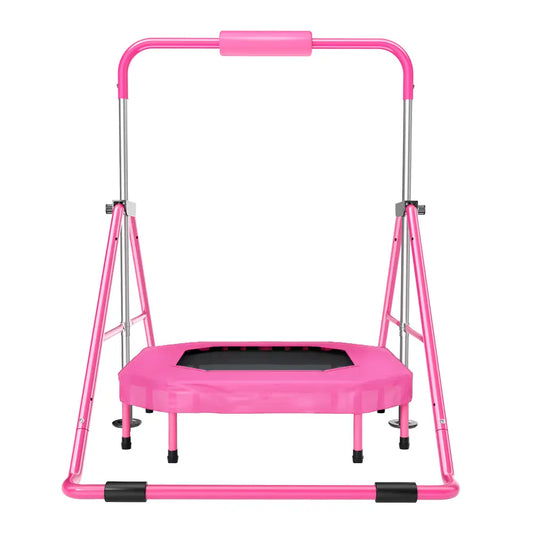
For a complete home gym experience, consider a combo option that includes a bar and a mini trampoline. This bundle offers a versatile workout and play area. Kids can practice bar skills and jumping drills in one space. The combination supports physical development and keeps training fun.
Using Air Track Mats and Tumbling Mats Effectively
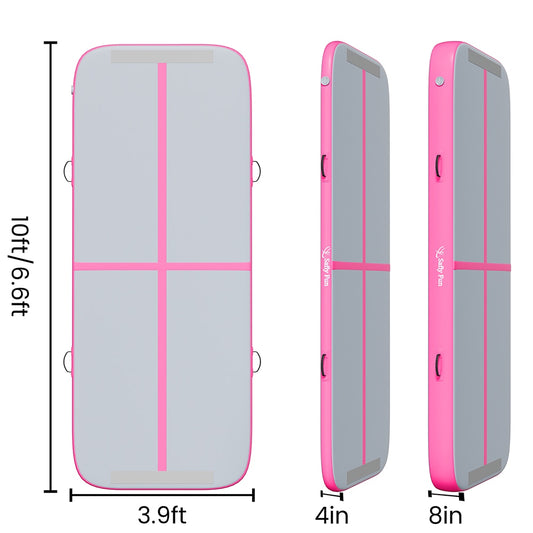
Air track mats provide a cushioned surface for tumbling, yoga, and various exercises. They are easy to inflate and deflate. Each mat comes with a storage bag. You can use them indoors or outdoors . Various gymnastics mats offer protection and comfort.
Proper setup matters for safety. Never practice skills on hard floors. Use mats under all equipment. Young athletes must have adult supervision at all times. Focus on strength, flexibility, and technique drills. Leave advanced skills for coaching sessions. Look for stable steel frames, non-slip surfaces, and high-density foam padding in all equipment.
Clearance around equipment is critical. Leave adequate open space on all sides of a balance beam. This space protects against off-balance landings. Avoid placing equipment against walls or windows. Children rarely move in straight lines. A missed step can cause injury without proper clearance. Flooring matters too. Carpet reduces the stability of framed equipment. Hard surfaces work well only when proper matting prevents slipping and provides impact protection.
Quality products undergo rigorous testing. They withstand energetic play while maintaining safety standards. Look for brands that offer free shipping and a worry-free return policy. A good warranty builds trust. These policies give parents confidence in their purchase. Whether your child is a budding gymnast or just loves to tumble, there is equipment suitable for every young gymnast. The right tools support her passion and keep her active and happy.
The gymnastics levels system is a framework for growth. It is not a race. The real reward comes from the journey itself. This guide has shown you the path from lower levels to the top. Gymnastics teaches children discipline, resilience, and time management. These life skills last far beyond the gym. Celebrate every small victory along the way. Trust the process. The competitive journey teaches kids to overcome challenges. Communicate openly with coaches. Children thrive when they feel supported. Always prioritize your child's happiness and well-being. Whether your child reaches Level 10 or simply loves to tumble, the skills learned in this sport will last a lifetime. With the right support and the right equipment, they will have everything they need to succeed.
Frequently Asked Questions
What age should my child start gymnastics?
Many gyms offer parent-child classes for very young children. Recreational classes typically start at a young age, and competitive team placement often begins later, around ages 5 to 7. The gymnastics levels system also works for late starters. Many athletes begin competitive training later and still progress successfully.
Can my child skip a gymnastics level?
Skipping levels is rare in the Development Program. Level 6 is the only exception. A gymnast may go from Level 5 straight to Level 7 with coach approval. This choice requires exceptional skill and physical readiness. Most athletes do better by finishing each level in order. The progression builds safety and confidence.
How many hours per week does competitive gymnastics require?
Practice time varies by level and program. Early levels require fewer hours, while optional levels demand more. The Xcel Program typically requires fewer hours than the Development Program.
What is the difference between DP and Xcel programs?
The Development Program follows a strict order through ten levels. Every gymnast performs the same compulsory routines at Levels 4-5. The Xcel Program offers flexible divisions from Bronze to Sapphire. Xcel routines are tailored to each athlete's strengths. Practice demands are lower in Xcel. This option suits families wanting balance between competition and other activities.
How much does competitive gymnastics cost each year?
Annual costs vary widely by region and gym. They cover coaching fees, meet entry costs, and travel expenses. Leotards, gymnastics hand grips , and equipment add extra costs. Xcel programs generally cost less than Development Program participation. Ask your gym for a detailed fee breakdown.
What equipment do I need for safe home practice?
Start with a quality tumbling mat for floor work. Add a foam balance beam for low-risk balance practice. Consider a foldable gymnastics bar for skill development. Look for equipment designed for home use. Always supervise practice sessions. Never allow advanced skills without proper mats and coaching guidance.
How do I know if my child is ready for team gymnastics?
Watch for consistent enthusiasm at recreational classes. Notice if she masters skills quickly and asks for more practice time. Coaches typically recommend team placement when a child shows strong body awareness and listening skills. Ask your coach for an honest assessment. The gymnastics levels journey requires dedication from both child and parents.
What happens if my child wants to quit gymnastics?
Take her feelings seriously. Discuss the reasons behind her desire to stop. Sometimes a break or program change renews motivation. Other times, moving to a different sport is the right choice. The skills learned through gymnastics levels training transfer to other activities. Support her decision without guilt or pressure.