

1. What is a Rebounder Trampoline?
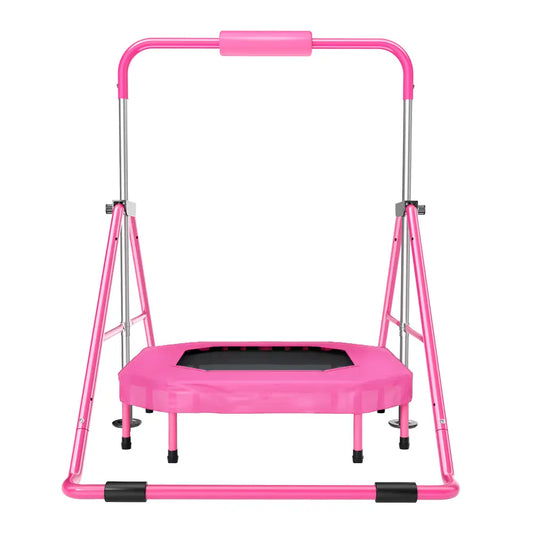
Rebounders, a type of mini trampolines, are a compact workout trampoline designed specifically for low-impact fitness. Typically 2–4 ft in diameter, it features a sturdy metal frame and a tightly woven jumping mat made to support repetitive, controlled movement.
The bounce comes from either metal springs or bungee cords, both of which provide an elastic recoil that minimizes joint stress while maximizing workout efficiency. This design ensures every jump engages muscles, improves circulation, and challenges balance without the harsh impact of running or jumping on hard surfaces.

Rebounder vs. Mini Trampoline: What’s the difference?
While the terms “rebounder” and “mini trampoline” are sometimes used interchangeably, subtle differences exist. Mini trampolines often serve dual purposes, catering to recreational jumping and light exercise. Rebounders, however, are engineered specifically for fitness. The key distinctions include:
- Bounce Mechanism: Most mini trampolines rely on metal springs to provide lift. Rebounders frequently use bungee cords, which offer a quieter, smoother, and lower-impact bounce. This difference makes rebounders easier on the joints and more suitable for longer workouts.
- Stability and Safety: Rebounders are designed to stay stationary during vigorous workouts. Many include features such as adjustable handlebars for balance and safety, making them ideal for structured exercise routines.
- Workout Focus: Rebounders are optimized to engage the entire body and target specific fitness outcomes—cardio, balance, strength, and coordination—while mini trampolines may prioritize fun over function.
In short, all rebounders are mini trampolines, but not all mini trampolines are rebounders. If your goal is fitness, strength, and balance, a rebounder is the smarter, safer, and more effective choice.
Benefits of Using a Rebounder Trampoline
- Low-impact on your joints: Each bounce lands on a supportive, flexible surface, so your body doesn’t take the harsh pounding that comes from running on pavement. The mat and bungees (or springs) absorb force for you. This makes rebounding a rare combo: plenty of intensity without the wear and tear. It’s the kind of exercise you can keep enjoying as you age, rather than having to give up due to joint discomfort.
- A simple way to work your entire body: When you jump, your muscles all pitch in to keep you balanced and moving. The powerhouse trio—glutes, hamstrings, and core—kick into high gear because they help control your hips and spine with every bounce. Even a short session can activate muscles that stay underused during daily life.
- Improves balance and functional coordination: The trampoline surface is always shifting under your feet, so your brain and body must constantly adjust. That ongoing neuromuscular training can sharpen stability and mobility. Research has shown that regular rebounding (around 12 weeks) can significantly help improve balance and movement ability, especially in older adults navigating bone-density concerns.
- A natural mood booster: It’s almost impossible not to smile when you’re bouncing. That playful movement wakes up the nervous system and encourages your brain to release endorphins, the “feel-good” chemicals. The result feels energizing rather than draining. Many people stick with rebounding because it lifts their spirits as much as it challenges their body.
- Effective cardiovascular exercise: Rebounding raises your heart rate into the ideal zone for cardiovascular conditioning. Research shows that it can be more efficient than jogging, delivering serious cardio benefits in less time.
Tips for Getting Started with Rebounding
The first step to enjoying rebounding is choosing the right trampoline. A good rebounder should feel stable, supportive, and comfortable under your feet. At Safly Fun, our Bungee Rebounder is designed to deliver a smooth, quiet, and low-impact bounce, thanks to elastic bungee cords and a sturdy, non-slip mat. The adjustable handlebar adds extra support, making it perfect for beginners who are just learning the ropes.
Once your rebounder is set up, start slow. Think of it like learning any new skill—no one runs a marathon on day one, and no one lifts heavy weights without preparation. Rebounding feels unique at first, so give your body—and your mind—time to adjust.
For beginners, short sessions are best. Start with 3–4 sessions per week, even if each one lasts only 5–10 minutes. This allows your muscles, joints, and balance system to acclimate to the unstable surface. As you become more comfortable, you can gradually increase the duration and intensity of your workouts.
If your rebounder has a handlebar, use it at first. Holding on lightly can help you build confidence, stability, and strength before trying more advanced moves completely hands-free.
A proper warm-up, cool-down, and stretching routine before and after each session will help prevent discomfort and keep you injury-free.
Risks of Rebounding
Rebounding is generally safe for most individuals, yet certain precautions are necessary.
- Balance Issues: Individuals with vestibular disorders, inner ear problems, or compromised equilibrium should avoid rebounding due to the risk of dizziness or nausea.
- Pregnancy and Postpartum: Bouncing can strain the pelvic floor, so it is essential to consult a healthcare provider before starting a routine.
- Injury Considerations: Those with recent joint replacements, back, or neck injuries should obtain medical clearance. Proper guidance ensures that rebounding enhances fitness without exacerbating existing conditions.
By respecting these considerations, rebounding can be a joyful, effective, and safe component of a fitness regimen.
Rebounder trampolines are more than an exercise tool—they are a gateway to improved health, elevated mood, and a stronger, more coordinated body. From low-impact cardio to calorie-burning workouts, their benefits extend from the physical to the psychological, offering a compact yet powerful path to fitness for all ages.